Mobile App Development
Mobile app development for products people rely on
We build and continue iOS and Android apps for customers, field teams, and connected products, including offline work, backend integration, releases, and maintenance.
Build the complete mobile product, not only its screens
A dependable app connects the user journey to device capabilities, backend rules, unreliable networks, support, and a release process the team can own.
One product across iOS and Android
We usually recommend Flutter for a new two-platform product so one team can evolve the shared experience and release plan.
Work where users are
Offline storage, synchronization, cameras, signatures, notifications, and other device features are designed around the real working environment.
A product that can keep shipping
Testing, store delivery, monitoring, backend coordination, and maintenance are part of the product plan rather than an afterthought.
From the first workflow to the next release
We can deliver a new product, take over an existing app, or own a defined part of a larger mobile programme.
- Turn customer or operational workflows into clear mobile journeys for phones and tablets.
- Connect authentication, APIs, data, device capabilities, and offline synchronization.
- Continue Flutter, Swift, UIKit, Kotlin, Compose, and Android Views codebases where preserving them makes sense.
- Prepare, test, release, monitor, and maintain the app together with its backend dependencies.
Flutter first, with strong native capability
For many new products that need both iOS and Android, Flutter keeps the shared product in one team. Native development is the stronger choice when a sound Swift or Kotlin app already exists, one platform leads the product, or platform-specific behaviour shapes most of the experience. AI assistance supports both paths and does not replace this product decision.
Choose the right path for the product
The technology follows the product, the software you already own, and the team that will operate it.
Flutter App Development
Flutter app development for one mobile product
We build and continue Flutter apps when one team and one product roadmap should serve both iOS and Android, with platform-specific work where the product needs it.
Explore this serviceNative App Development
Native iOS and Android development for platform-specific products
We build and continue Swift and Kotlin software when an existing native codebase should be preserved, one platform leads, or direct platform behaviour shapes the product.
Explore this service
Mobile products built around real work
These products show the workflows, platforms, and delivery responsibilities behind our recommendations.
ROE Check-it
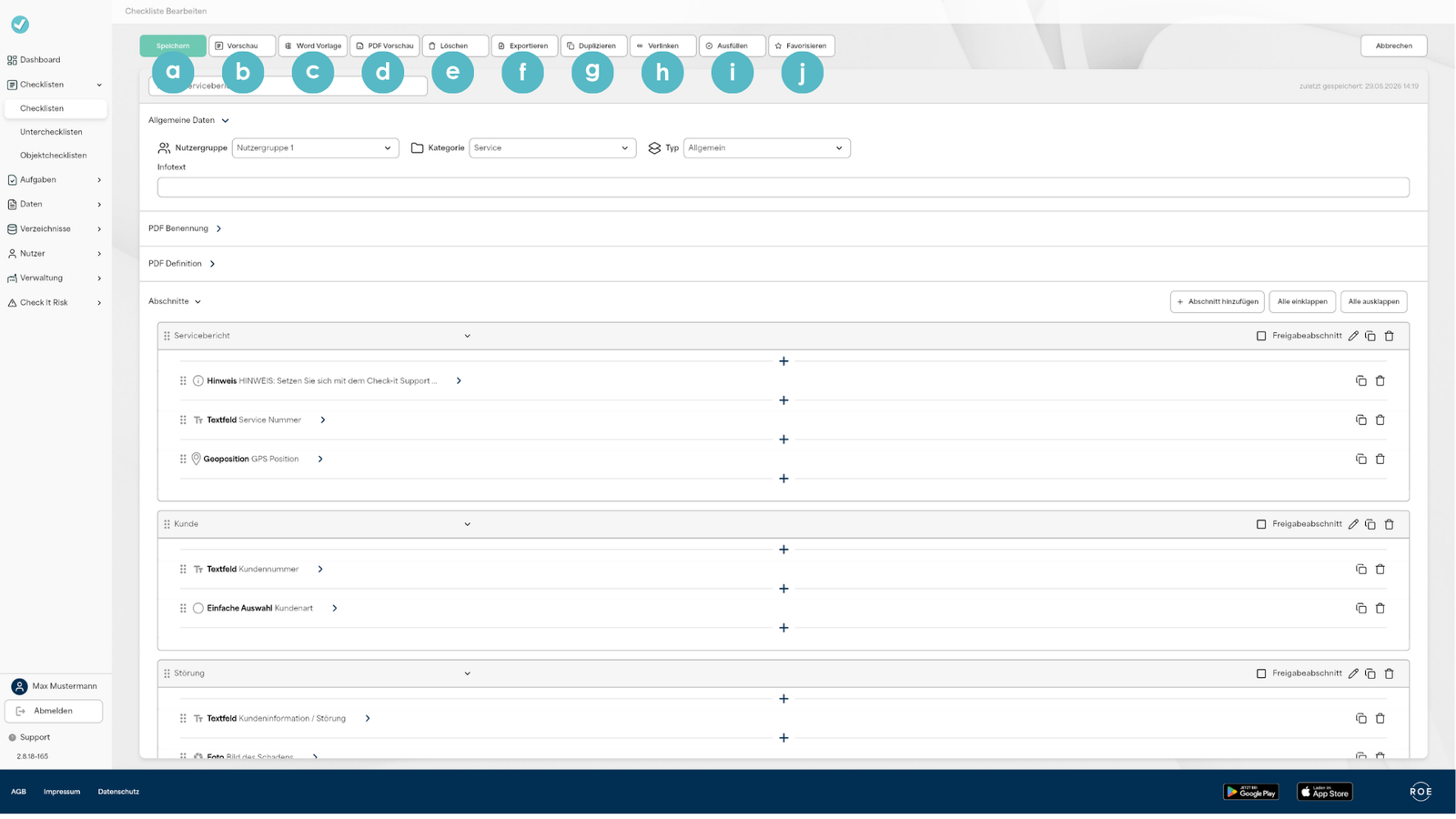
ROE Check-it helps teams plan field jobs, complete checklists offline, collect evidence, and turn completed work into reports and follow-up tasks.Read case study
Marquardt Service-App
The Marquardt Service-App guides service partners through each job, from planning and on-site work to evidence collection and handover.Read case study
BayWa Trade
BayWa Trade helps farmers review their prices, compare delivery options, and submit grain offers from their phone.Read case study
Questions customers ask before we start
We make the important product and technology decisions explicit before implementation begins.
Should our app use Flutter or native development?
We usually start with Flutter for a new iOS and Android product. We recommend native development when the existing codebase, one-platform focus, device integration, or product experience makes it the better fit.
Can you take over an existing mobile app?
Yes. We review the user journeys, current code, backend dependencies, release setup, and known problems before agreeing what to keep and what to improve.
Do you handle backend and release work too?
Yes. Mobile products often depend on APIs, authentication, synchronization, monitoring, and store delivery. We can include those responsibilities in the agreed scope.